Ebooks and audiobooks are modern conveniences that allow readers to more easily access books, and to experience reading in a different way. Overall, I think it would be difficult to argue that they are not net positives. Audiobooks allow people to read while they're working or driving, and they open up options for readers who might normally struggle with reading. Ebooks are easy to travel with, they provide their own light to allow for reading without disturbing others, they often have useful features such as a dictionary to help readers with words they don't recognize. I know if I were going on a trip for a month, I'd much rather carry an ereader in my purse than try to shove five novels into my suitcase.
I will admit, though, the romantic in me resisted both formats for far too long. There's something about the weight, smell, and feel of books that I don't think most people will ever want to give up - nor should they. Just like ereaders and audiobooks have their places, physical books have theirs. There's nothing like the feeling of curling up by a window when it's raining or snowing, preferably with a hot and/or boozy beverage, and propping an old paperback up on your knee.
There are some appeals that might be altered by audiobooks - for example, characterization. The tone that a narrator chooses for a certain line might be different than how a reader might have interpreted it in their head. My general experience has been that characters in audiobooks sound a little more confident, a little more wry or sassy, and a little smarter than I would have read them myself - and I think that comes down to who chooses the career of an audiobook narrator. They have confident voices! It's what they do for a living.
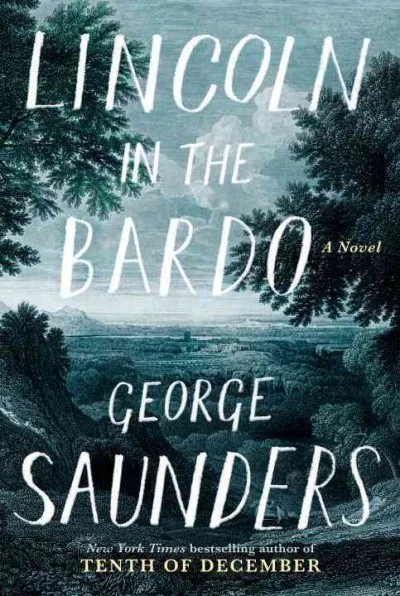
And there are some appeals/deciding factors that are added in the audiobook format as well, such as narrator preference. I can't tell you how many books I've had to stop, and then re-check-out as ebooks or physical books just because I didn't like the narrator's voice or what they were doing. Most recently, The Poppy War, which is a book I ended up loving but almost didn't get past the first chapter of because I originally got the audiobook, and the narrator sounded like she was about to start crying the entire time. Very off-putting. On the other hand, some narration choices add a depth and layer to the original text that transforms it, makes it something more. I'm specifically thinking of the cast-reading of Lincoln in the Bardo by George Saunders, narrated by 165 readers; I found it to be an almost life-changing experience, and while the writing was strong I also give credit to the fact that the narration forced me to pay closer attention to every word than I might have done had my eyes been reading too fast.
Overall, the addition of audiobooks and ebooks into our lives is a good thing. However, librarians and readers need to be aware of the unique appeals of each, and chose titles to experience in each format that does justice to the work itself.

Hi Claire,
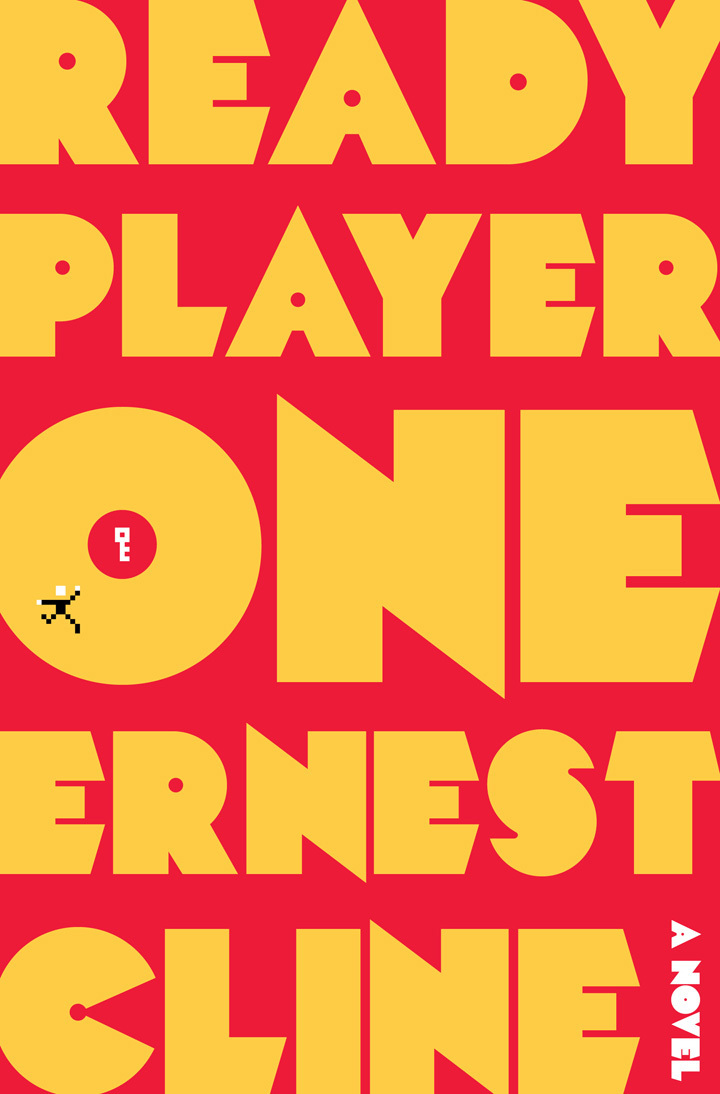
ReplyDeleteI read/listened to Ready Player One too. I love Wil Wheaton for many reasons including his narrating of that book. He was amazing! Wade will always sound like Wil Wheaton to me. lol I saw the movie when it came, but I think Wil ruined me that and the book was sooo much better!
Ready Player One was also the book that awakened my love for audiobooks! I sat in my driveway for 3 hours to finish it! You have great insight about all the format. They all have their place, and there are numerous pros and cons to each - as librarians we need to be aware of them. Full points!
ReplyDeleteThat's so funny! I got near the end of the book and realized I had started taking the long way almost everywhere to squeeze in a little more reading.
Delete